The Volkswagen Tiguan in Kenya: Rising Contender in the Compact SUV Market
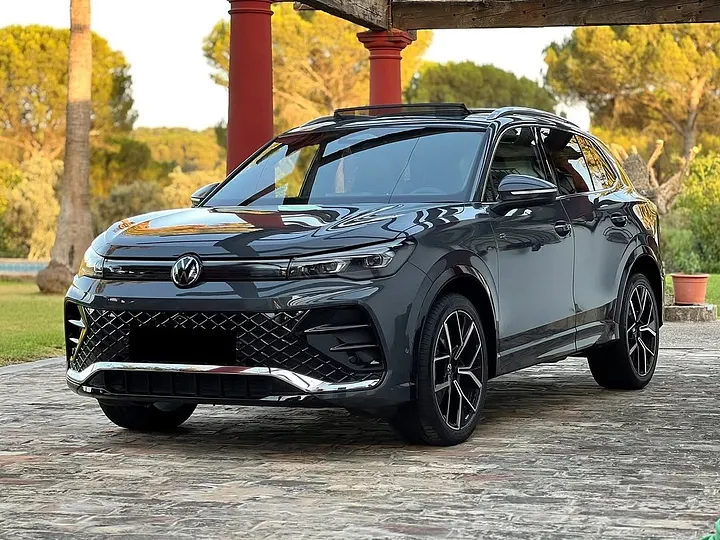
Kenya’s automotive market has shifted notably in recent years, with compact SUVs becoming the go-to choice for families and professionals. Traditionally dominated by Japanese models such as the Toyota RAV4, Mazda CX-5, and Honda CR-V, the segment is now seeing European brands make inroads. Among them, the Volkswagen Tiguan is steadily carving its place, appealing to buyers who value comfort, technology, and European refinement.
Market Context: Changing Consumer Preferences
For decades, Japanese brands have led Kenya’s roads due to their affordability, reliability, and vast service networks. However, as consumer tastes evolve, more buyers are looking for vehicles that combine safety, performance, and distinctive design. Trends such as efficient engines, advanced driver-assist technologies, and even hybrid readiness are influencing purchasing decisions. The Tiguan fits neatly into this shift, offering a modern and premium alternative that resonates with Kenya’s growing middle class.
Click to read more about the Volkswagen Tiguan.
The Tiguan and Allspace
In Kenya, the Tiguan is offered in two main versions:
- Volkswagen Tiguan (5-seater): Compact, maneuverable, and slightly sportier to drive.
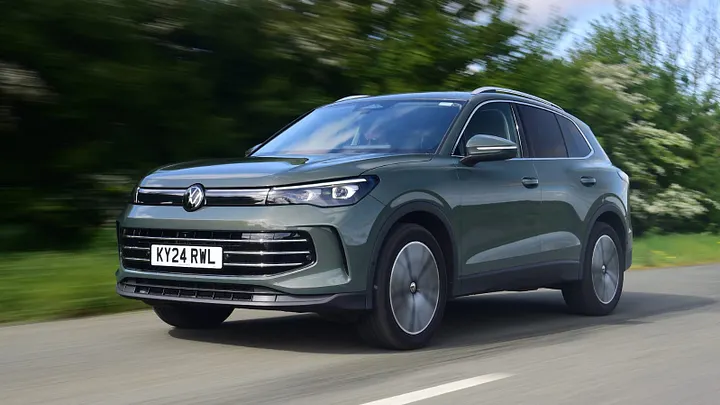
- Volkswagen Tiguan Allspace (7-seater): A longer wheelbase, optional third row, more boot space, and extra versatility for families.
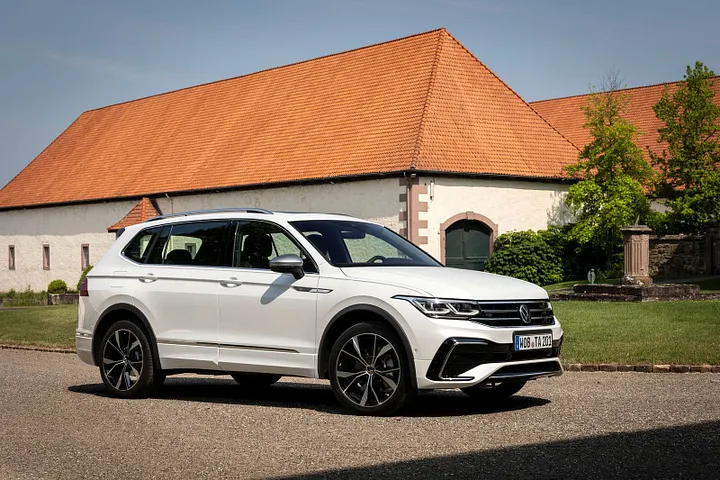
This dual offering allows Volkswagen to appeal both to professionals in urban areas and families seeking additional seating capacity.
Import Dynamics and Market Access
A large portion of Kenya’s car market is driven by used imports, mostly from Japan. The Tiguan benefits from this culture, with models ranging from 2018–2025 available through direct import. This gives buyers flexibility depending on budget, with options spanning FWD, AWD, diesel, and performance-oriented R-Line trims.
Meanwhile, Volkswagen is also strengthening its official presence in Kenya through local assembly at the Thika plant and authorized dealers. This hybrid model of import plus local availability increases accessibility while building confidence in after-sales support.
For service parts and body components, Visit: https://yokaspares.co.ke/
Pricing and Availability
Most Tiguans in Kenya are imported as foreign-used units, typically priced between KSh 3.6M and 5.9M, depending on model year, condition, and trim.
This pricing puts the Tiguan in the premium tier of the compact SUV market, aligning it more closely with high-spec Japanese models than entry-level SUVs.
Strengths of the Tiguan
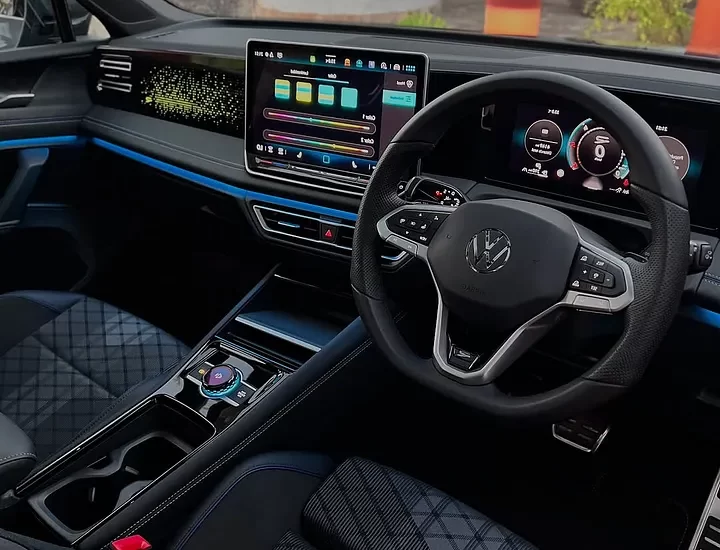
- Comfort & Luxury Feel: High-quality interiors, refined cabin design, and spacious seating.
- Flexibility: 5-seat or 7-seat Allspace, plus FWD or AWD options for varied driving needs.
- Technology & Safety: Digital Cockpit, infotainment systems, driver assistance features, and strong crash safety ratings.
- Driving Experience: Quiet cabin, responsive handling, and balanced ride dynamics.
- Diesel Efficiency: Available diesel variants cater to long-distance drivers seeking better fuel economy.
Challenges in the Kenyan Market
- Maintenance Costs: Specialized servicing (especially the DSG gearbox) can be pricey, with routine servicing at KSh 10–20K and higher costs for major repairs.
- Parts Availability: Parts are accessible but not as cheap or widespread as Toyota or Mazda spares.
- Resale Value: Japanese rivals dominate Kenya’s second-hand market, making the Tiguan slower to retain resale strength.
How It Stacks Up Against Rivals
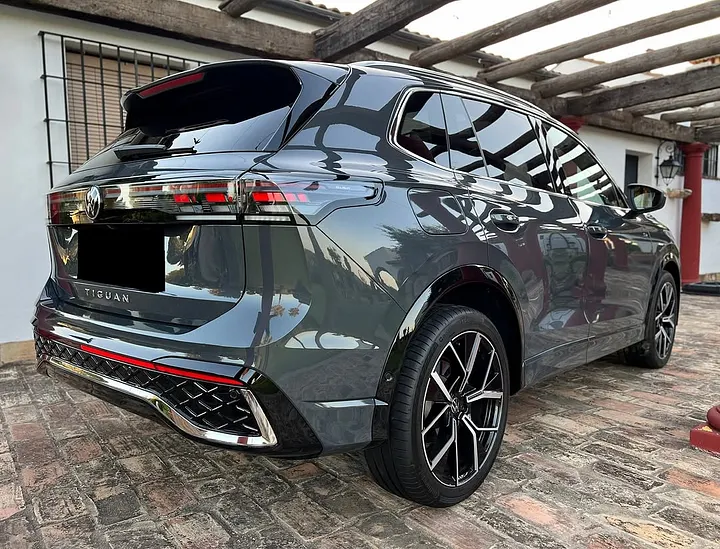
- Toyota RAV4: The Tiguan feels more premium but Toyota offers lower ownership costs and unbeatable reputation.
- Mazda CX-5: Stylish and sporty, but less spacious than the Tiguan Allspace.
- Honda CR-V: Matches the Tiguan on comfort but trails slightly in tech and modern design.
Globally, the Tiguan is benchmarked against models like the Kia Sportage, Nissan Rogue, and Hyundai Tucson, which boosts its credibility among Kenyan buyers who increasingly follow international reviews.
Future Outlook
Volkswagen’s investment in local assembly, financing packages, and stronger service infrastructure could be the key to making the Tiguan a household name. As Kenya embraces electrification, future hybrid or plug-in Tiguan models could also resonate strongly with buyers conscious of fuel costs and sustainability.
Click to read more about the Volkswagen Tiguan.
Conclusion
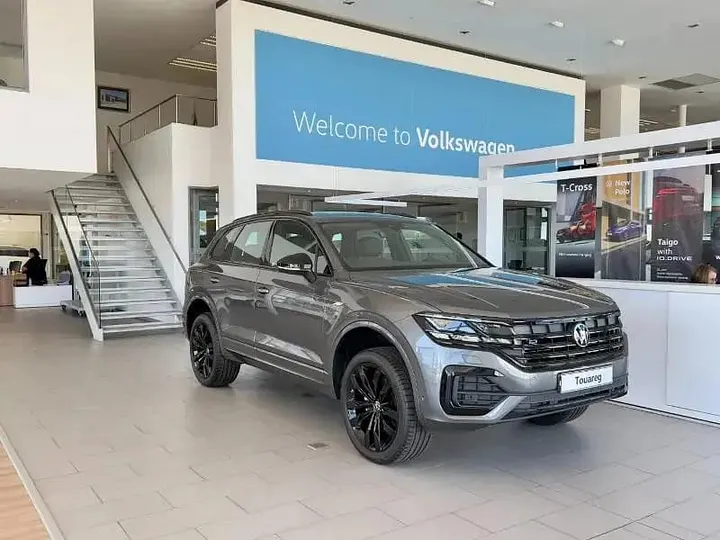
The Volkswagen Tiguan represents a refreshing alternative in Kenya’s compact SUV landscape. While it may not yet rival the market dominance of Toyota or Mazda, its blend of European engineering, advanced technology, and versatile design is winning over a growing base of Kenyan buyers.
If Volkswagen continues to strengthen its dealer support, manage maintenance costs, and enhance parts availability, the Tiguan could rise from being a stylish niche option to becoming a mainstream choice for Kenya’s modern SUV buyer.
For those interested in buying the 2024 Volkswagen Tiguan, we have prepared a separate Buyer’s Guide with details on what to look out for when buying a used one and the common pitfalls to avoid. Click here to purchase the Buyer’s Guide.
If you are looking to import the Volkswagen Tiguan to Kenya, click here to fill out our contact form, and we will get back to you immediately, or email us directly via [email protected].